Understanding Diabetes Care in India: Finding the Right Diabetologist
Patient guide to diabetes follow-up in India - symptoms to discuss, lifestyle basics, and how to find a diabetologist without misleading cure claims.

Updated 18 Jul 2026
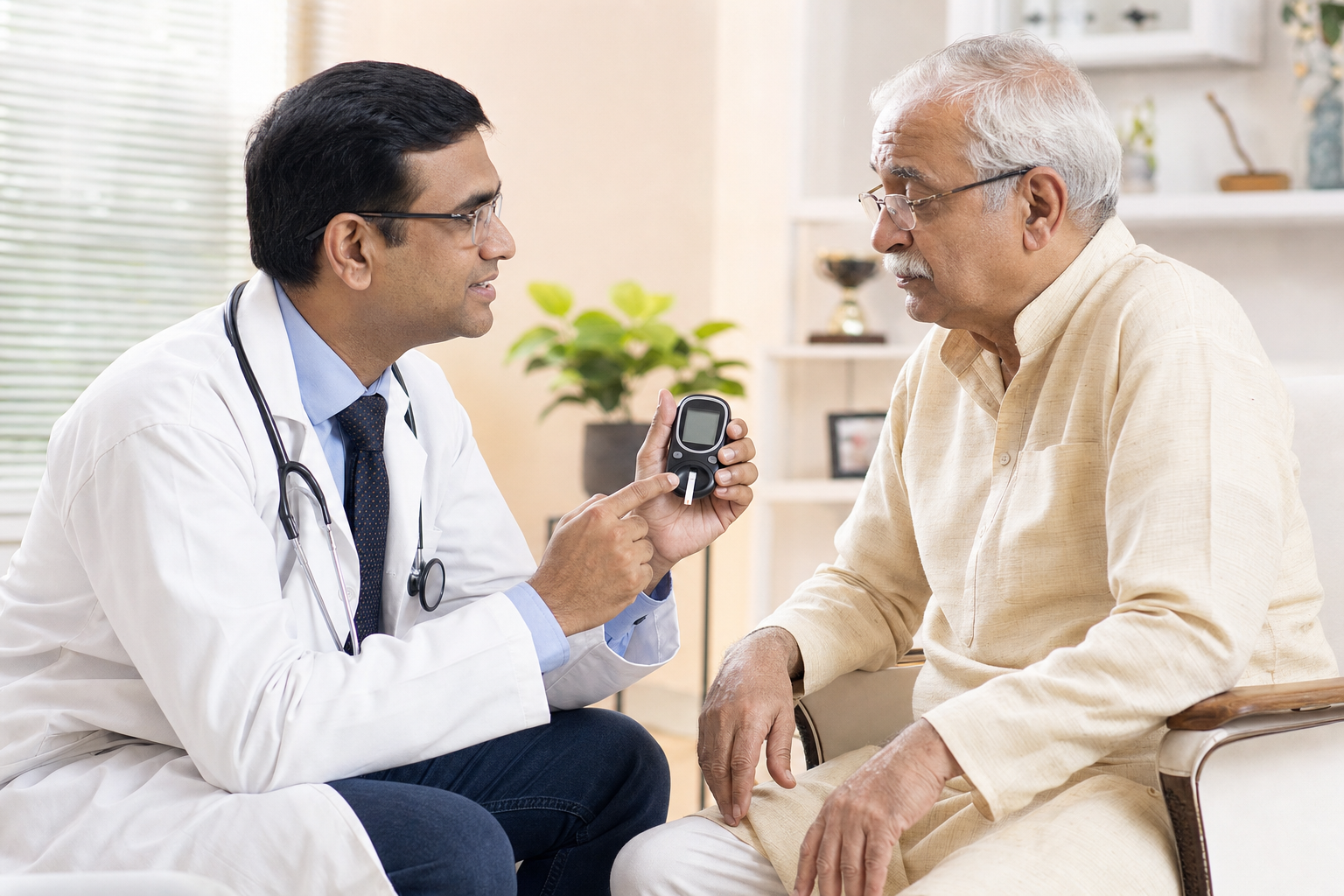
Diabetes care is usually long-term. The goal is safe sugar control, fewer complications, and a plan you can follow in daily life. This guide helps patients in India understand what to discuss with a diabetologist and how to use a doctor directory responsibly. It does not diagnose diabetes or recommend medicines.
Why structured follow-up matters
Blood sugar can change with diet, infection, stress, sleep, and medicines. Regular review helps clinicians adjust plans and screen for complications affecting eyes, kidneys, nerves, and heart risk. Skipping follow-ups often leads to “silent” progression that patients notice late.
Topics patients commonly discuss
- High fasting or post-meal readings
- Increased thirst, urination, or unexplained fatigue
- Low-sugar episodes (sweating, shakiness, confusion)
- Foot tingling, vision changes, or slow-healing wounds
- Medicine timing, missed doses, and side-effect concerns
- Diet patterns during festivals, travel, and shift work
What “good care” looks like in practice
Useful diabetes consultations typically combine:
- Review of home readings and lab trends
- Medicine plan that matches your routine (not only ideal textbook schedules)
- Nutrition and activity guidance you can sustain
- Complication screening schedule when indicated
- Clear sick-day and low-sugar action guidance
Beware of anyone promising permanent “cure” without evaluation, or pushing unverified products. Prefer licensed clinicians and ask for evidence-based explanations.
GP vs diabetologist
Many people begin diabetes follow-up with a general physician. A diabetologist may be considered for complex control, frequent lows/highs, pregnancy-related diabetes questions, or when multiple complications need coordinated planning. Your clinician can advise which path fits your reports.
How to shortlist on Doctors Details
Browse Diabetologist profiles in your city, confirm phone numbers, and ask clinics about follow-up slots. Carry your glucometer log and recent labs to the first visit.
Authoritative public resources for general education include national and international diabetes guidance pages from government and public-health organizations. Always interpret personal results with your doctor.
Daily habits that clinicians often discuss
Meal timing, portion awareness, walking after meals, sleep, and stress all influence readings. Your clinician may tailor advice to vegetarian diets, festival foods, and shift-work schedules common in Indian households. Crash diets and unverified supplements can be unsafe - ask before starting anything new.
Foot, eye, and kidney awareness
Patients are often taught to inspect feet, report non-healing wounds early, and attend eye/kidney screening as advised. These steps are preventive and individualized; schedules differ by clinical status. Directory articles cannot set your personal screening calendar.
Working with your care team
Diabetes care may involve a diabetologist, general physician, dietitian, ophthalmologist, and nephrologist over time. Carry a single updated medicine list to every visit to avoid duplication and interactions.
Using Doctors Details responsibly
Shortlist clinicians, confirm appointments, and arrive with questions. Avoid choosing solely by advertisement language. Focus on accessibility for regular follow-ups - chronic care rewards consistency.
Practical next steps for patients
Write your top three concerns before the visit. Confirm clinic address on a map and keep an alternative clinic number if the first call does not connect. After the consultation, summarize the plan in your own words and ask the clinician to correct misunderstandings. This simple habit prevents medicine errors and missed follow-ups.
If you relocate within Madhya Pradesh, Telangana, or Andhra Pradesh, use Doctors Details city filters to rebuild your care network quickly. Share previous summaries with the new clinician so care stays continuous.
Remember: online articles provide orientation only. Personal diagnosis, prescriptions, and emergency decisions require licensed in-person or appropriately supervised clinical care.
Questions patients forget to ask
- What symptoms mean I should return earlier than the scheduled follow-up?
- Which over-the-counter products should I avoid with my current medicines?
- How long before I should expect noticeable improvement if the plan is working?
- Who do I call if the clinic is closed and symptoms worsen at night?
Write answers in your notebook before you leave the building. If staff provides printed instructions, photograph them immediately. For chronic conditions, set phone reminders for medicines and review dates.
Using directories without over-trusting them
A directory helps you discover options quickly, but listings cannot measure bedside manner or wait times on a given day. Call more than one clinic. Ask neighbors or your current GP for context when possible. Prefer clinicians who explain trade-offs clearly over those who rush you into decisions.
Doctors Details continues to improve profile completeness - phone numbers, addresses, and specialization care notes - so patients spend less time guessing and more time preparing. Combined with these Health Guides, the goal is safer navigation through India's healthcare choices, not online treatment.

Dental Surgeon · Bhopal
Dr. Mansi Chourasiya
Contact clinic for availability.
क्लिनिक से संपर्क करें
भोपाल · BDS 2022
- Dental Consultation

General Physician · Hatpipliya
Dr. Vishnu Prasad Malviya
Contact clinic for availability.
क्लिनिक से संपर्क करें
देवास जिला · MBBS 2022
- General Consultation

MBBS · General Physician · Jabalpur
Dr. Aditya Kumar
Contact clinic for availability.
क्लिनिक से संपर्क करें
कर्मेता, जबलपुर
- General Consultation
- Diabetes Care
- Blood Pressure Management
- Wound Dressing
Browse doctor listings by city and specialization on Doctors Details.