Skin Concerns in India: When to See a Dermatologist
Practical guide to common skin, hair, and nail concerns and when dermatology consultation is typically considered - without treatment promises.

Updated 18 Jul 2026
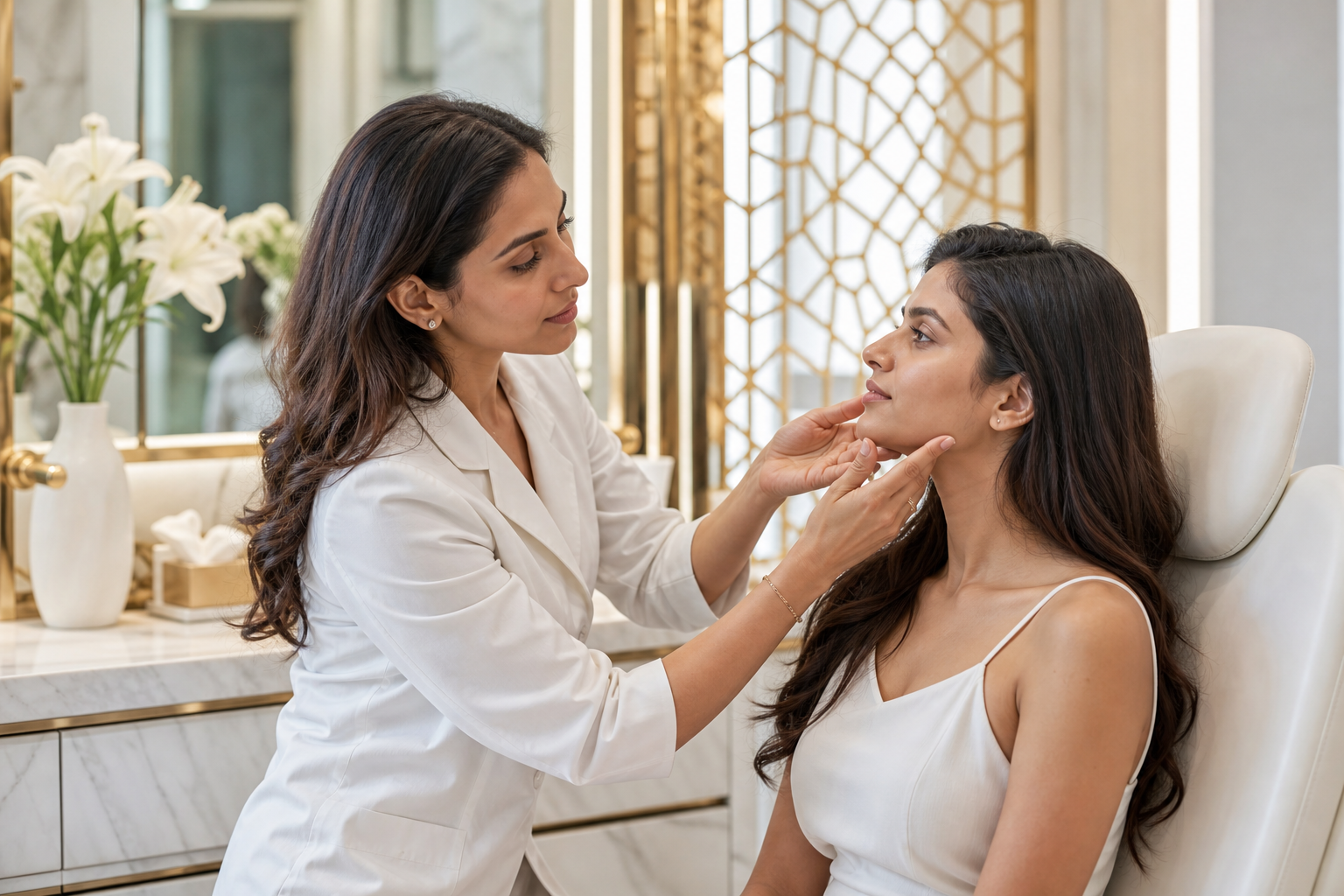
Skin problems are common across climates in India - from humidity-related infections to acne, allergies, and chronic conditions. This guide helps you decide when a dermatologist consultation may be useful. It does not prescribe creams or guarantee outcomes.
Issues patients frequently bring
- Itchy rashes or sudden allergy-like flares
- Acne that is not settling with basic care
- Hair fall or stubborn dandruff
- Pigmentation and uneven skin tone concerns
- Suspected fungal patches
- Eczema or psoriasis flares
- Changing moles or new growths
- Nail infections or brittle nails
Home care vs professional review
Mild, short-lived irritation sometimes improves with gentle cleansing and avoiding known triggers. Professional review is more important when symptoms are severe, spreading, painful, recurrent, leaving scars, or accompanied by fever/systemic illness. Self-medicating with strong steroid creams without guidance can worsen some conditions.
What to expect in clinic
Dermatologists typically examine the affected areas, ask about duration, products used, occupation, and medical history. They may recommend tests or procedures depending on the diagnosis pathway. Ask about expected timeline, side effects, and follow-up - especially before cosmetic procedures.
Finding dermatologists nearby
Browse Dermatologist profiles by city on Doctors Details and confirm appointment rules by phone. Carry a list of creams already tried.
Climate and skin in Indian cities
Heat, humidity, dust, and pollution can aggravate acne, allergies, and infections. Gentle cleansing and sunscreen habits help many people, but persistent disease needs clinical diagnosis. Sharing workplace exposure (chemicals, wet work, night shifts) helps dermatologists tailor advice.
Cosmetic vs medical dermatology
Some visits focus on medical disease; others discuss cosmetic concerns. Clarify your goal at booking. Ask about expected sessions, downtime, and realistic results before procedures. Be wary of aggressive packages that skip examination.
Infection control and home hygiene
For contagious skin infections, clinicians may advise separating towels and avoiding shared creams. Follow the prescribed course fully. Stopping early can lead to recurrence.
Photos for tele-triage
If a clinic offers photo review before appointment, take clear images in natural light without filters. Still plan an in-person visit when advised - photos cannot replace examination for many conditions.
Practical next steps for patients
Write your top three concerns before the visit. Confirm clinic address on a map and keep an alternative clinic number if the first call does not connect. After the consultation, summarize the plan in your own words and ask the clinician to correct misunderstandings. This simple habit prevents medicine errors and missed follow-ups.
If you relocate within Madhya Pradesh, Telangana, or Andhra Pradesh, use Doctors Details city filters to rebuild your care network quickly. Share previous summaries with the new clinician so care stays continuous.
Remember: online articles provide orientation only. Personal diagnosis, prescriptions, and emergency decisions require licensed in-person or appropriately supervised clinical care.
Questions patients forget to ask
- What symptoms mean I should return earlier than the scheduled follow-up?
- Which over-the-counter products should I avoid with my current medicines?
- How long before I should expect noticeable improvement if the plan is working?
- Who do I call if the clinic is closed and symptoms worsen at night?
Write answers in your notebook before you leave the building. If staff provides printed instructions, photograph them immediately. For chronic conditions, set phone reminders for medicines and review dates.
Using directories without over-trusting them
A directory helps you discover options quickly, but listings cannot measure bedside manner or wait times on a given day. Call more than one clinic. Ask neighbors or your current GP for context when possible. Prefer clinicians who explain trade-offs clearly over those who rush you into decisions.
Doctors Details continues to improve profile completeness - phone numbers, addresses, and specialization care notes - so patients spend less time guessing and more time preparing. Combined with these Health Guides, the goal is safer navigation through India's healthcare choices, not online treatment.
Medication photosensitivity and products
Some medicines increase sun sensitivity. Ask your clinician whether new prescriptions require extra sun protection. Bring a bag of currently used soaps, oils, and fairness creams - product history often explains flares better than memory alone.
Follow-up photography
With consent, clinicians may compare progress photos. Use the same lighting and angle. Do not post medical photos publicly if privacy matters to you.

General Physician · Hatpipliya
Dr. Vishnu Prasad Malviya
Contact clinic for availability.
क्लिनिक से संपर्क करें
देवास जिला · MBBS 2022
- General Consultation

Dental Surgeon · Bhopal
Dr. Mansi Chourasiya
Contact clinic for availability.
क्लिनिक से संपर्क करें
भोपाल · BDS 2022
- Dental Consultation

MBBS · General Physician · Jabalpur
Dr. Aditya Kumar
Contact clinic for availability.
क्लिनिक से संपर्क करें
कर्मेता, जबलपुर
- General Consultation
- Diabetes Care
- Blood Pressure Management
- Wound Dressing
Browse doctor listings by city and specialization on Doctors Details.