How to Prioritize Your Questions for a Doctor's Visit
Organize your concerns and questions before a doctor's appointment to ensure you cover the most important topics during your consultation.

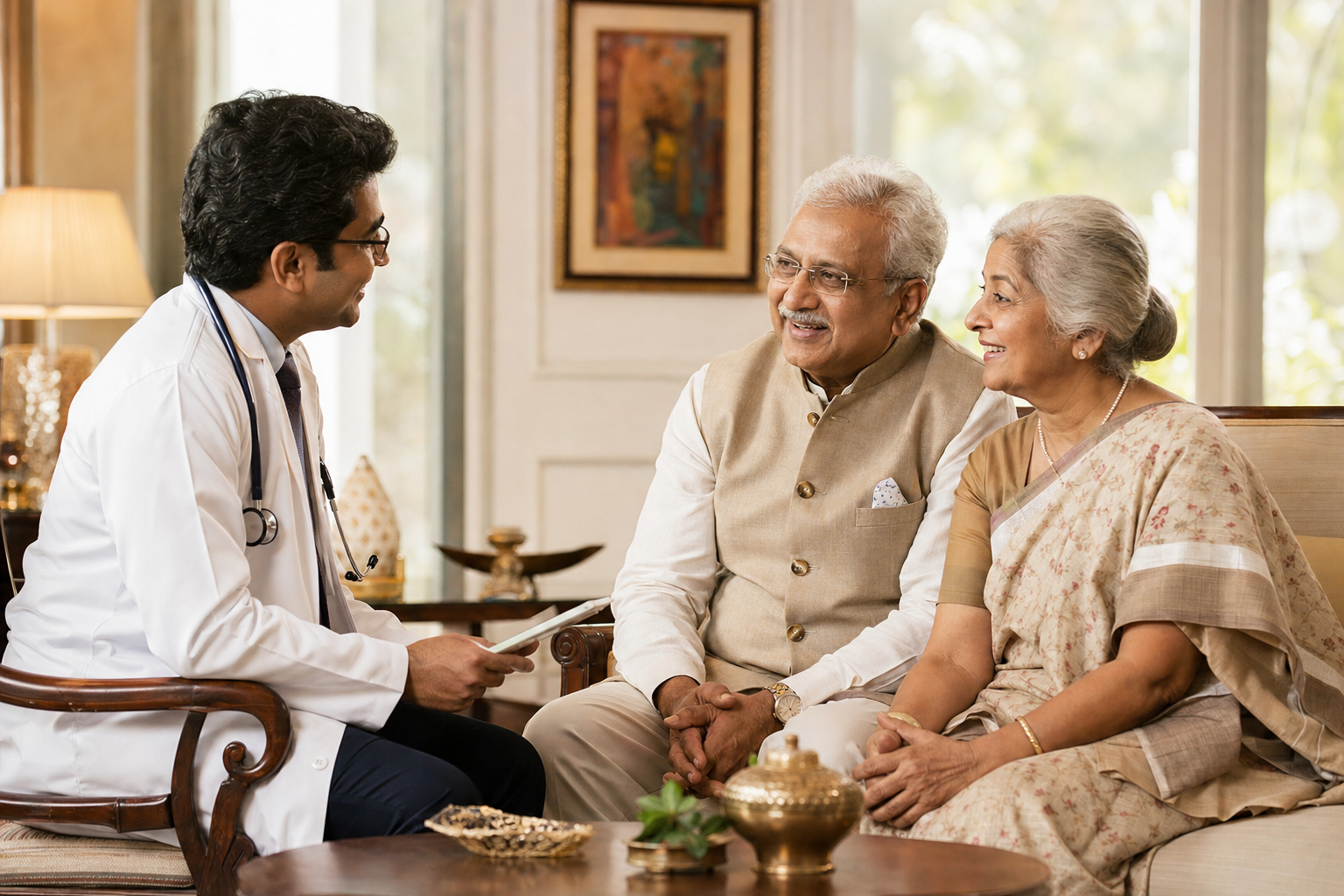
Preparing your questions before a doctor's consultation can help you make the most of your appointment time and ensure all your important concerns are addressed. A priority sheet helps you organize your thoughts and focus on what matters most.
Steps to Create Your Question Priority Sheet
- List All Your Questions: Start by writing down every question or concern you have, no matter how small it seems. Think about your symptoms, medications, lifestyle, and any worries about your health.
- Group Similar Questions: Look for questions that relate to the same topic. For example, all questions about a specific medication can be grouped together.
- Assign Priority: For each question or group of questions, decide if it's High, Medium, or Low priority.
- High Priority: Questions about new or worsening symptoms, urgent concerns, medication side effects, or decisions you need to make soon.
- Medium Priority: Questions about long-term management, general health advice, or things you're curious about but aren't urgent.
- Low Priority: Questions that are less critical and can be discussed if time permits, or researched later.
- Use the Sheet During Your Consultation: Bring your priority sheet to your appointment. Start with your high-priority questions. If time runs short, you'll have covered the most important points.
Your Doctor Consultation Question Priority Sheet
| Priority (High/Medium/Low) | Your Question for the Doctor | Why this question is important to you | Notes/Follow-up (e.g., Doctor's Answer, Next Steps) |
|---|---|---|---|

Dental Surgeon · Bhopal
Dr. Mansi Chourasiya
Contact clinic for availability.
क्लिनिक से संपर्क करें
भोपाल · BDS 2022
- Dental Consultation

General Physician · Hatpipliya
Dr. Vishnu Prasad Malviya
Contact clinic for availability.
क्लिनिक से संपर्क करें
देवास जिला · MBBS 2022
- General Consultation

MBBS · General Physician · Jabalpur
Dr. Aditya Kumar
Contact clinic for availability.
क्लिनिक से संपर्क करें
कर्मेता, जबलपुर
- General Consultation
- Diabetes Care
- Blood Pressure Management
- Wound Dressing
Browse doctor listings by city and specialization on Doctors Details.