Gwalior mein Ghutne ka Dard Doctor ko Kab Dikhayein
Gwalior mein ghutne ke dard se pareshan hain? Jaaniye kab doctor se milna chahiye, sahi specialist kaise dhoondhein aur pehli visit ke liye kya
0 views Updated 08 Sep 2026
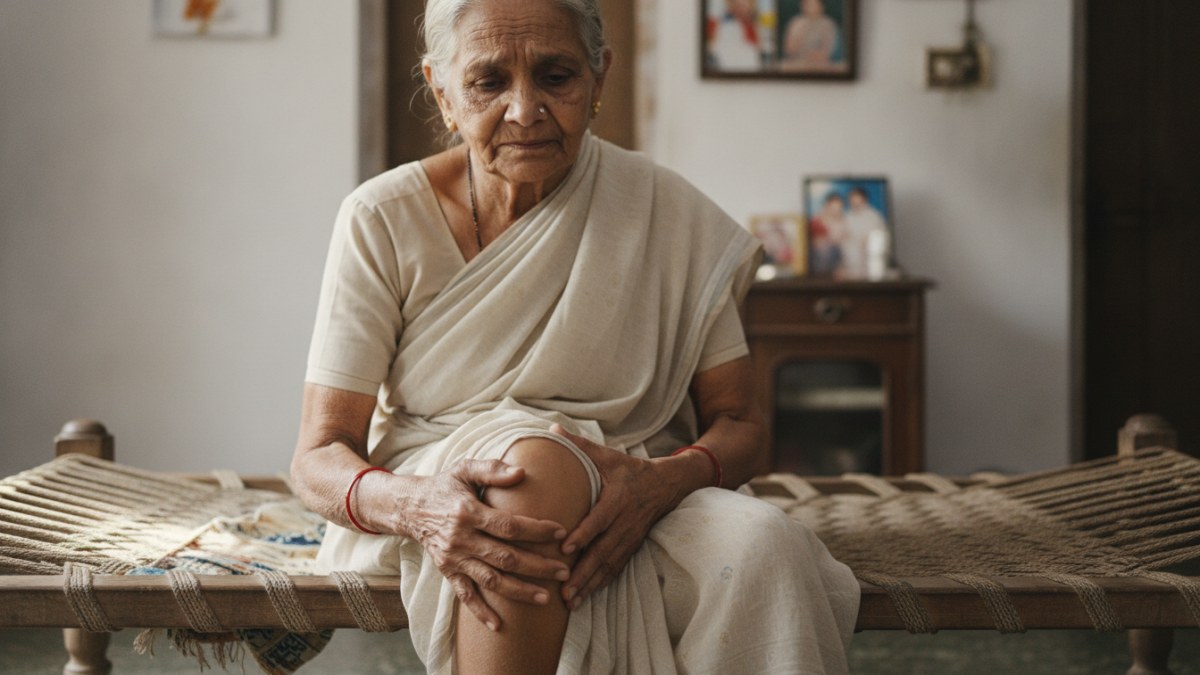
Gwalior mein Ghutne ka Dard Kyun Hota Hai
Ghutne ka dard Gwalior mein ek aam samasya hai, jo kisi bhi umar ke logon ko ho sakti hai. Yeh sirf badhti umar ki nishani nahi hai, balki chot, gathiya, ya rozmarra ki zindagi mein galat tareeke se uthne-baithne ke karan bhi ho sakta hai. Kabhi-kabhi yeh dard halka hota hai aur apne aap theek ho jata hai, lekin kai baar yeh itna badh jata hai ki chalna-phirna bhi mushkil ho jata hai.
Is guide ka maqsad aapko yeh samjhana hai ki Gwalior mein ghutne ke dard ko kab ganeerata se lena chahiye aur sahi samay par kis specialist se milna chahiye. Hum aapko batayenge ki doctor ke paas jaane se pehle kya taiyari karein aur DoctorsDetails.com jaise platforms ka istemal karke sahi doctor kaise dhoondhein.
Ghutne ka Dard Kab Serious Ho Sakta Hai
Halke-phulke dard ko aksar log nazarandaaz kar dete hain, lekin kuch lakshan aise hote hain jinhe dekhkar turant doctor se milna zaroori hai -
- Achanak aur Tez Dard - Agar ghutne mein achanak se bahut tez dard shuru ho jaye, khaaskar kisi chot ke baad.
- Bhari Sujan aur Laalipan - Ghutne ke aas-paas bahut zyada sujan ho, garmi mehsoos ho aur laalipan dikhe.
- Chalna Mushkil Hona - Agar aap ghutne par wazan nahi daal pa rahe hain ya chalne mein bahut takleef ho rahi hai.
- Ghutne ka Jam Jana ya Lock Hona - Jab ghutna modne ya seedha karne mein mushkil ho, ya aisa lage ki woh beech mein hi atak gaya hai.
- Bukhar ke Saath Dard - Agar ghutne ke dard ke saath bukhar bhi ho, toh yeh infection ka sanket ho sakta hai.
- Deformity - Agar ghutne ki shape mein koi badlav dikhe.
- Lagaatar Dard - Agar dard 2-3 din se zyada rahe aur aaram karne par bhi theek na ho.
In mein se koi bhi lakshan dikhne par, Gwalior mein ek qualified doctor se milna mahatvapurna hai. Sahi samay par ilaj se badi samasyaon se bacha ja sakta hai.
Gwalior mein Sahi Specialist Kaise Chunein
Ghutne ke dard ke liye Gwalior mein kis specialist se milna chahiye, yeh dard ke karan par nirbhar karta hai. Yahan kuch pramukh specialists hain -
- Orthopaedic Surgeon (Haddi Rog Visheshagya) - Agar aapko chot lagi hai, haddi ya jodo mein koi samasya hai, ya lambe samay se dard hai, toh Orthopaedic Surgeon sabse sahi vikalp hain. Yeh haddiyon, jodo, ligaments aur muscles ke experts hote hain.
- Physiotherapist - Agar dard chot ya galat posture ke karan hai, toh Physiotherapist aapko sahi vyayam aur ilaaj bata sakte hain. Yeh surgery ke baad ya gathiya jaise rogon mein bhi madad karte hain.
- Pain Management Specialist - Kuch mamlon mein, agar dard bahut zyada hai aur dusre ilaj se aaram nahi mil raha, toh pain management specialist dard kam karne ke liye injections ya dusre methods ka upyog kar sakte hain.
DoctorsDetails.com par aap Gwalior mein apni zaroorat ke hisaab se specialist dhoondh sakte hain. Bas 'City' mein Gwalior aur 'Specialty' mein 'Orthopaedics' ya 'Physiotherapy' choose karein. Aapko kai doctors ki list mil jayegi jahan aap unki degrees, anubhav aur clinic ke baare mein jaankari dekh sakte hain.
Pehli Visit ke Liye Taiyari Kya Karein
Doctor ke paas jaane se pehle kuch taiyari karne se aapki visit zyada asardar ho sakti hai -
- Apne Lakshan Note Karein - Dard kab shuru hua, kitna tez hota hai, kya karne se badhta ya kam hota hai, aur kya koi aur lakshan (jaise sujan, garmi) hain.
- Medical History - Apni poori medical history, purani chotein, surgeries, aur koi bhi dusri bimari (jaise diabetes, high BP) ki jaankari taiyar rakhein.
- Dawaiyon ki List - Aap jo bhi dawaiyan le rahe hain, unki ek list banayein, jismein over-the-counter dawaiyan aur supplements bhi shamil hon.
- Purani Reports - Agar aapke paas ghutne se sambandhit koi purani X-ray, MRI, ya blood test reports hain, toh unhe saath le jayein.
- Sawal Taiyar Karein - Doctor se kya puchna hai, iski ek list bana lein. Jaise - "Mere dard ka kya karan hai?", "Kya ilaj ke vikalp hain?", "Kitna samay lag sakta hai theek hone mein?", "Kya mujhe apni lifestyle mein badlav karna hoga?"
Yeh taiyari aapko doctor ke saath behtar tareeke se communicate karne mein madad karegi aur aapko apne ilaj ke baare mein zyada samajh aayegi.
Ghutne ke Dard ke Ilaj mein Kya Expect Karein
Jab aap doctor se milenge, toh woh pehle aapki samasya ko acchi tarah se samjhenge. Ismein physical examination, jismein ghutne ko check karna aur uski movement dekhna shamil hai, bahut mahatvapurna hai. Doctor aapke ghutne ko touch karke, modkar aur seedha karke dard ke source ko pehchanne ki koshish karenge.
Zaroorat padne par, doctor kuch tests bhi suggest kar sakte hain -
- X-ray - Haddiyon ki structure aur gathiya jaise rogon ko dekhne ke liye.
- MRI (Magnetic Resonance Imaging) - Soft tissues jaise ligaments, tendons aur cartilage ki detail mein jaankari ke liye.
- Blood Tests - Agar gathiya ya infection ka shaq ho.
Ilaj dard ke karan par nirbhar karta hai. Ismein dawaiyan, physiotherapy, injections (jaise steroid ya hyaluronic acid), ya kuch mamlon mein surgery bhi shamil ho sakti hai. Doctor aapko sabse sahi ilaj plan batayenge.
Ghar Par Kya Kar Sakte Hain (Limitations)
Doctor se milne se pehle ya unke ilaj ke saath, kuch gharelu upchar bhi madadgar ho sakte hain, lekin yeh sirf temporary rahat ke liye hain aur doctor ki salah ka vikalp nahi hain -
- Aaram (Rest) - Ghutne ko zyada strain na dein.
- Barf (Ice) - Dard aur sujan kam karne ke liye 15-20 minute tak barf lagayein.
- Compression - Ghutne par elastic bandage bandhne se sujan kam ho sakti hai.
- Upar Rakhna (Elevation) - Lete samay ghutne ko takiye par thoda upar rakhein.
- Halke Vyayam - Agar doctor salah dein, toh halke streching aur strengthening exercises karein.
- Wazan Niyantran - Agar aapka wazan zyada hai, toh use kam karne se ghutne par dabav kam hota hai.
Yaad rakhein, yeh upchar sirf shuruaati ya sahara dene wale kadam hain. Agar dard bana rahe ya badh jaye, toh bina der kiye Gwalior mein doctor se sampark karein. Self-diagnosis aur self-medication se bachein.
DoctorsDetails.com Par Gwalior ke Specialists Dhoondhein
DoctorsDetails.com aapko Gwalior mein sahi specialist dhoondhne mein madad karta hai. Aap apni zaroorat ke mutabik doctors ko filter kar sakte hain. Jaise, agar aapko ghutne ke dard ke liye pain management ke options ya injections ke baare mein jaankari chahiye, toh aap Dr. Sameer Gupta jaise Anesthesiologist ki profile dekh sakte hain.
Dr. Sameer Gupta Gwalior mein practice karte hain aur unki degree MBBS, DA hai. Unki profile par unka address (C/O J A Campus, 18 / B, Gwalior Ho, Gwalior, Madhya Pradesh - 474001) aur fees (500) jaise details mil jayenge. Lekin, kisi bhi visit se pehle, clinic ko call karke appointment, fees aur unki specific services confirm karna zaroori hai, khaaskar agar aapko kisi khaas specialty mein consultation chahiye.
Hamesha yaad rakhein, doctor ka chayan karte samay unki specialty, anubhav aur clinic ki location par dhyan dein. DoctorsDetails.com aapko yeh sab jaankari ek jagah par uplabdh karata hai.
Featured doctor profile
Patients often start with directory profiles that show degree, clinic address and contact details -
- Dr. Sameer Gupta - Anesthesiologist, Gwalior
Always call the clinic to confirm timings and fees before visiting.
Frequently asked questions
Ghutne ke dard ke liye gharelu upchar kitne effective hote hain?
Gharelu upchar jaise aaram, barf lagana, compression aur ghutne ko upar rakhna (RICE method) shuruaati ya halke dard mein temporary rahat de sakte hain. Lekin, yeh kisi bhi ganeer samasya ka ilaj nahi hain. Agar dard bana rahe ya badh jaye, toh turant doctor se milna zaroori hai. Doctor ki salah ke bina sirf gharelu upchar par nirbhar rehna khatarnak ho sakta hai.
Kya ghutne ka dard sirf badhti umar mein hota hai?
Nahi, ghutne ka dard sirf badhti umar mein nahi hota. Yeh kisi bhi umar ke logon ko ho sakta hai. Yuvaon mein yeh aksar chot, sports injury ya overuse ke karan hota hai. Madhyam umar ke logon mein yeh gathiya, meniscus tear ya patellar tendonitis jaise karan se ho sakta hai. Badhti umar mein gathiya (osteoarthritis) ek aam karan hai, lekin yeh ekmatra karan nahi hai.
Physiotherapy kab zaroori hoti hai ghutne ke dard mein?
Physiotherapy ghutne ke dard mein kai sthitiyon mein zaroori hoti hai. Agar dard muscles ki kamzori, galat posture, ya ligaments/tendons mein khichav ke karan hai, toh physiotherapy bahut faydemand ho sakti hai. Yeh surgery ke baad recovery mein, gathiya ke ilaj mein, aur chot se bachne ke liye bhi mahatvapurna hai. Ek qualified physiotherapist aapko sahi exercises aur stretches bata kar ghutne ki taqat aur lachilepan ko badhane mein madad karta hai.
Local tip - Shortlist clinicians on Doctors Details, then confirm appointment rules by phone.
Explore doctor profiles and clinic details
Use these directory pages to check listed contact and clinic information. Confirm current fees and appointment availability with the clinic; these links are not endorsements.
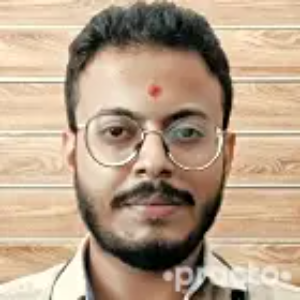
MBBS · General Physician · Jabalpur
Dr. Aditya Kumar
Contact clinic for availability.
क्लिनिक से संपर्क करें
कर्मेता, जबलपुर
- General Consultation
- Diabetes Care
- Blood Pressure Management
- Wound Dressing

Dental Surgeon · Bhopal
Dr. Mansi Chourasiya
Contact clinic for availability.
क्लिनिक से संपर्क करें
भोपाल · BDS 2022
- Dental Consultation
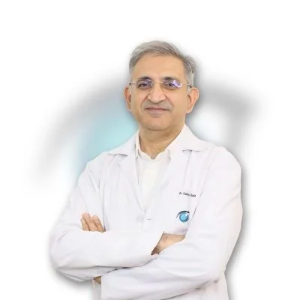
Ophthalmologist - Gurgaon
Dr. Sanjeev Bisla
Contact the clinic for appointments.
- Cataract Surgery
- LASIK & Contoura Vision
- SMILE Eye Surgery
- Retina Treatment
- Glaucoma Care
- Cornea & Keratoconus Care
- Eye Examination
- Squint Treatment

Browse doctor listings by city and specialization on Doctors Details.