Gwalior mein Acne in Doctor ko kab dikhayein
Gwalior mein acne ki samasya hai? Jaaniye kab general physician ya skin specialist se milna chahiye aur sahi doctor kaise dhoondhein.
2 views Updated 08 Sep 2026
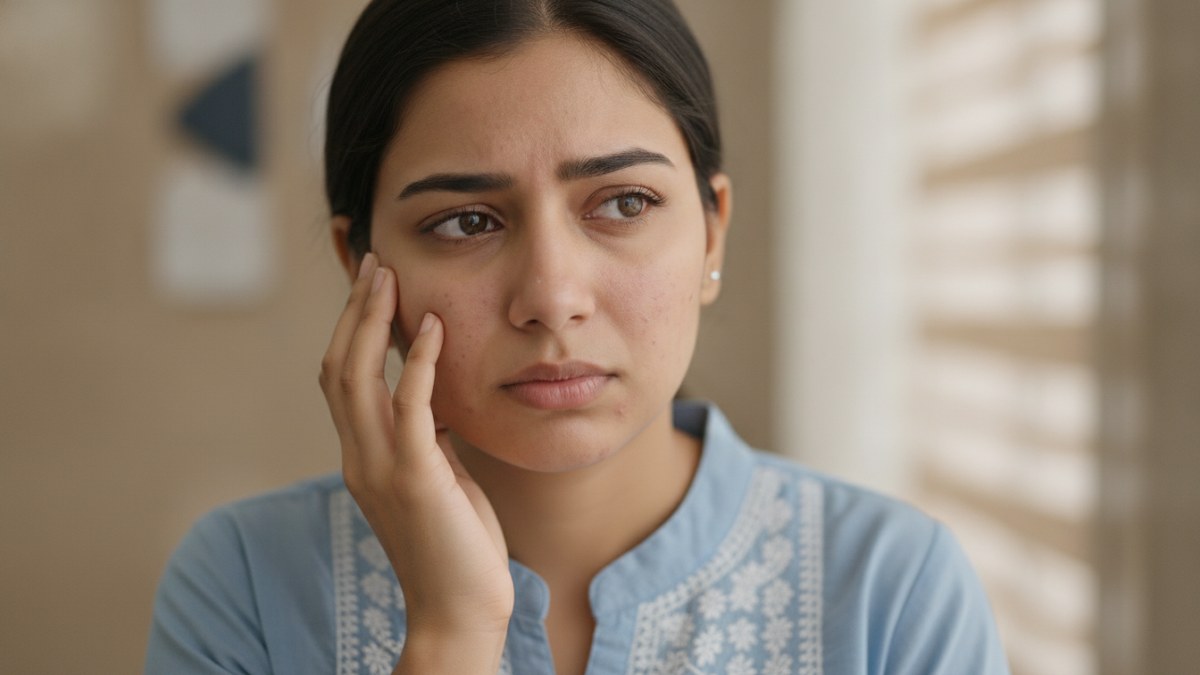
Gwalior mein Acne Kyun aur Kab Pareshan Kare?
Acne, jise aam bhasha mein 'pimple' ya 'muhase' bhi kehte hain, ek bahut common skin condition hai. Yeh sirf teenagers ko hi nahi, balki bade logon ko bhi ho sakta hai. Gwalior jaise shehron mein, jahan mausam badalta rehta hai aur pollution bhi hota hai, skin par iska asar dikhna aam baat hai.
Aksar log acne ko halke mein lete hain aur sochte hain ki yeh apne aap theek ho jayega. Lekin jab acne baar-baar hota hai, dard karta hai, ya chehre par nishaan chhodne lagta hai, tab yeh sirf ek cosmetic problem nahi rehta. Yeh aapke confidence aur daily life ko bhi affect kar sakta hai. Agar aap Gwalior mein rehte hain aur aapka acne aapko pareshan kar raha hai, toh sahi samay par doctor ki salah lena bahut zaroori hai.
Acne ke Liye Doctor ko Kab Dikhaayein?
Bahut se log pehle gharelu nuskhe ya over-the-counter products try karte hain. Kuch cases mein yeh kaam kar sakte hain, lekin agar aapko neeche di gayi situations mein se koi bhi dikhe, toh doctor se milna behtar hai -
- Jab Home Remedies Kaam Na Karein - Agar aapne kai gharelu upaay ya chemist se li hui creams use ki hain aur koi fark nahi pad raha.
- Severe Acne - Agar aapko bade, dardnaak pimples (cysts ya nodules) ho rahe hain jo skin ke andar tak hote hain.
- Acne Scars - Agar aapke acne theek hone ke baad bhi chehre par gaddhe ya dark spots chhod rahe hain.
- Acne ka Asar Mood Par - Agar acne ki wajah se aapko sharmindgi mehsoos hoti hai, ya aapka self-esteem kam ho raha hai.
- Body Acne - Agar acne sirf chehre par nahi, balki peeth, chhati ya kandhon par bhi ho raha hai.
- Sudden Onset - Agar aapko pehle kabhi acne nahi hua aur ab achanak bahut zyada acne ho raha hai.
Gwalior mein, aap DoctorsDetails.com par 'Dermatologist' ya 'General Physician' search karke apne liye sahi doctor dhoondh sakte hain.
Gwalior mein Sahi Doctor Kaise Chunein?
Acne ke liye doctor chunte samay, aapke paas do main options hote hain - ek General Physician (GP) ya ek Dermatologist (skin specialist).
General Physician (GP) se Shuruat -
Halke ya naye acne ke liye, aap Gwalior mein kisi General Physician se shuruat kar sakte hain. Ek GP aapki skin ko examine kar sakte hain, aapke lifestyle aur diet ke baare mein pooch sakte hain, aur basic treatment ya referral de sakte hain. Dr. Ghanshyam Das, jo Gwalior mein ek Allopathic General Physician hain, ek aise hi doctor ka example hain jinse aap initial consultation ke liye mil sakte hain. Unka clinic B-4, Jawahar Colony, Kampoo, Lashkar, Gwalior mein hai.
Dermatologist (Skin Specialist) ki Zaroorat -
Agar aapka acne severe hai, persistent hai, ya GP ke treatment se theek nahi ho raha, toh ek dermatologist se milna zaroori hai. Dermatologist skin ki bimariyon ke specialist hote hain aur acne ke liye advanced treatments jaise oral medications, chemical peels, laser therapy, ya microdermabrasion recommend kar sakte hain. DoctorsDetails.com par aap Gwalior mein 'Dermatologist' filter laga kar skin specialists ki list dekh sakte hain.
Doctor choose karte samay, unki specialization, clinic ka location (aapke ghar ya office ke paas), aur available timings ka dhyaan rakhein.
Pehli Visit par Kya Poochein aur Kya Batayein?
Jab aap Gwalior mein kisi doctor ke paas acne ke liye jaate hain, toh kuch cheezein pehle se taiyaar rakhna faydemand hota hai -
- Apni History Batayein - Aapko acne kab se hai, kitna severe hai, aur kya aapne pehle koi treatment try kiya hai (gharelu ya medical).
- Lifestyle aur Diet - Doctor aapke diet, stress levels, skin care routine, aur hormonal changes ke baare mein pooch sakte hain. Sab kuch khulkar batayein.
- Questions Poochne se Na Hichkichaayein -
- Mere acne ka kya karan hai?
- Mere liye sabse accha treatment option kya hai?
- Is treatment ke kya side effects ho sakte hain?
- Treatment mein kitna samay lagega?
- Kya mujhe apni diet ya skin care routine mein koi badlav karna hoga?
- Follow-up visits kab aur kitni baar zaroori hongi?
- Treatment ka approximate kharcha kya hoga?
- Apne Expectations Clear Rakhein - Yaad rakhein, acne treatment mein samay lagta hai aur results dheere-dheere dikhte hain. Doctor se realistic expectations ke baare mein baat karein.
Acne ke Kuch Common Treatment Options
Doctor aapki acne ki severity aur type ke hisaab se alag-alag treatments recommend kar sakte hain. Kuch common options mein shamil hain -
- Topical Medications - Creams, gels, ya lotions jo seedhe skin par lagaye jaate hain. Inmein retinoids, benzoyl peroxide, ya antibiotics ho sakte hain.
- Oral Medications - Zyada severe acne ke liye, doctor oral antibiotics, hormonal pills (women ke liye), ya isotretinoin jaisi medicines prescribe kar sakte hain.
- Procedures - Kuch cases mein, doctor clinic mein chemical peels, laser therapy, ya comedone extraction jaise procedures suggest kar sakte hain.
- Lifestyle Changes - Sahi skin care routine, balanced diet, stress management, aur regular exercise bhi acne ko control karne mein madad kar sakte hain.
Hamesha yaad rakhein ki koi bhi treatment shuru karne se pehle doctor ki salah lena zaroori hai. Self-medication se nuksaan ho sakta hai.
Appointment Se Pehle Kya Taiyaari Karein?
Gwalior mein doctor ke paas jaane se pehle kuch practical steps aapka samay aur mehnat bacha sakte hain -
- Clinic Confirm Karein - DoctorsDetails.com par doctor ka address (jaise Dr. Ghanshyam Das ka B-4, Jawahar Colony, Kampoo, Lashkar, Gwalior) aur phone number check karein.
- Call Karke Confirm Karein - Clinic par phone karke unke latest timings, appointment system, aur consultation fees (Dr. Ghanshyam Das ki fees Rs. 1200 mention ki gayi hai, lekin yeh badal sakti hai, isliye confirm kar lein) confirm kar lein.
- Medical Records Ikhatte Karein - Agar aapne pehle koi treatment liya hai, toh uske reports ya prescriptions saath le jayein.
- Questions Likh Lein - Jo bhi sawaal aap doctor se poochhna chahte hain, unki ek list bana lein.
- Skin Par Kuch Na Lagayein - Appointment ke din, chehre par makeup ya koi bhi cream na lagayein, taaki doctor aapki skin ko theek se examine kar sakein.
Sahi taiyaari ke saath, aap apni doctor visit ka poora fayda utha sakte hain aur apne acne ke liye behtar solution pa sakte hain.
Featured doctor profile
Patients often start with directory profiles that show degree, clinic address and contact details -
- Dr. Ghanshyam Das - Allopathic General Physician, Gwalior
Always call the clinic to confirm timings and fees before visiting.
Frequently asked questions
Kya sirf chehre par hi acne hota hai?
Nahi, acne sirf chehre par hi nahi, balki peeth (back), chhati (chest), kandhon (shoulders) aur kabhi-kabhi baahon (arms) par bhi ho sakta hai. Body acne bhi utna hi common hai aur uske liye bhi doctor ki salah lena zaroori ho sakta hai.
Acne ke liye gharelu nuskhe kitne effective hain?
Halke acne ke liye kuch gharelu nuskhe jaise neem ya haldi ka istemal faydemand ho sakta hai, lekin yeh hamesha kaam nahi karte. Agar aapka acne persistent hai, severe hai, ya nishaan chhod raha hai, toh professional medical advice lena zyada effective aur safe option hai. Doctor aapki skin type aur acne ki severity ke hisaab se sahi treatment bata sakte hain.
Acne theek hone mein kitna time lagta hai?
Acne treatment mein samay lagta hai aur iska koi fixed time frame nahi hota. Kuch logon ko kuch hafte mein fark dikhne lagta hai, jabki dusron ko mahino lag sakte hain. Consistency aur patience bahut zaroori hain. Doctor ke bataye hue treatment plan ko regularly follow karna aur follow-up visits par jaana behtar results ke liye critical hai.
Local tip - Shortlist clinicians on Doctors Details, then confirm appointment rules by phone.
Explore doctor profiles and clinic details
Use these directory pages to check listed contact and clinic information. Confirm current fees and appointment availability with the clinic; these links are not endorsements.

General Physician · Hatpipliya
Dr. Vishnu Prasad Malviya
Contact clinic for availability.
क्लिनिक से संपर्क करें
देवास जिला · MBBS 2022
- General Consultation
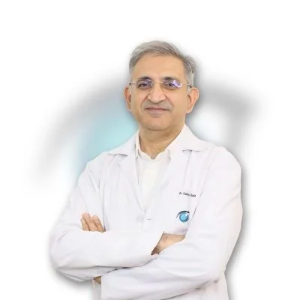
Ophthalmologist - Gurgaon
Dr. Sanjeev Bisla
Contact the clinic for appointments.
- Cataract Surgery
- LASIK & Contoura Vision
- SMILE Eye Surgery
- Retina Treatment
- Glaucoma Care
- Cornea & Keratoconus Care
- Eye Examination
- Squint Treatment
MBBS · General Physician · Jabalpur
Dr. Aditya Kumar
Contact clinic for availability.
क्लिनिक से संपर्क करें
कर्मेता, जबलपुर
- General Consultation
- Diabetes Care
- Blood Pressure Management
- Wound Dressing

Browse doctor listings by city and specialization on Doctors Details.